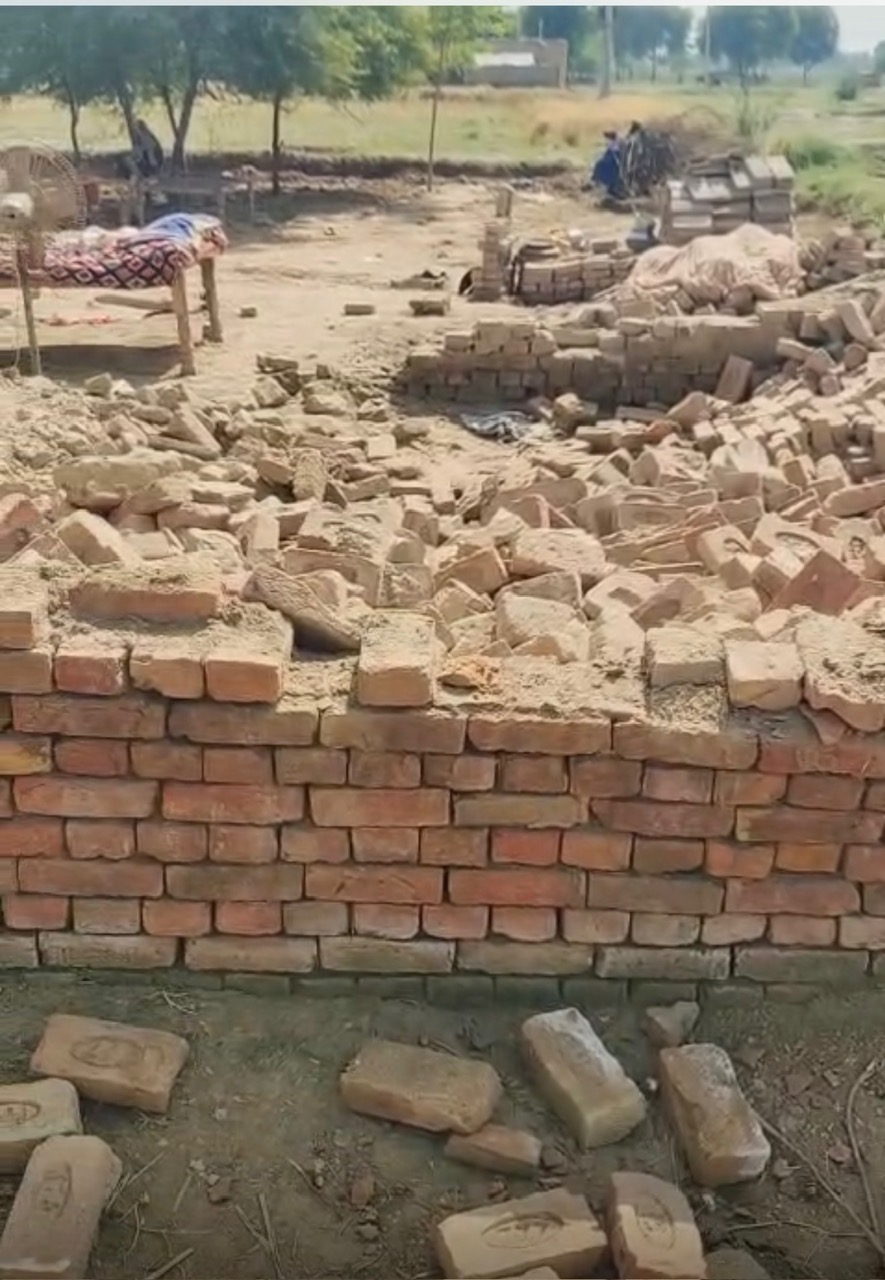
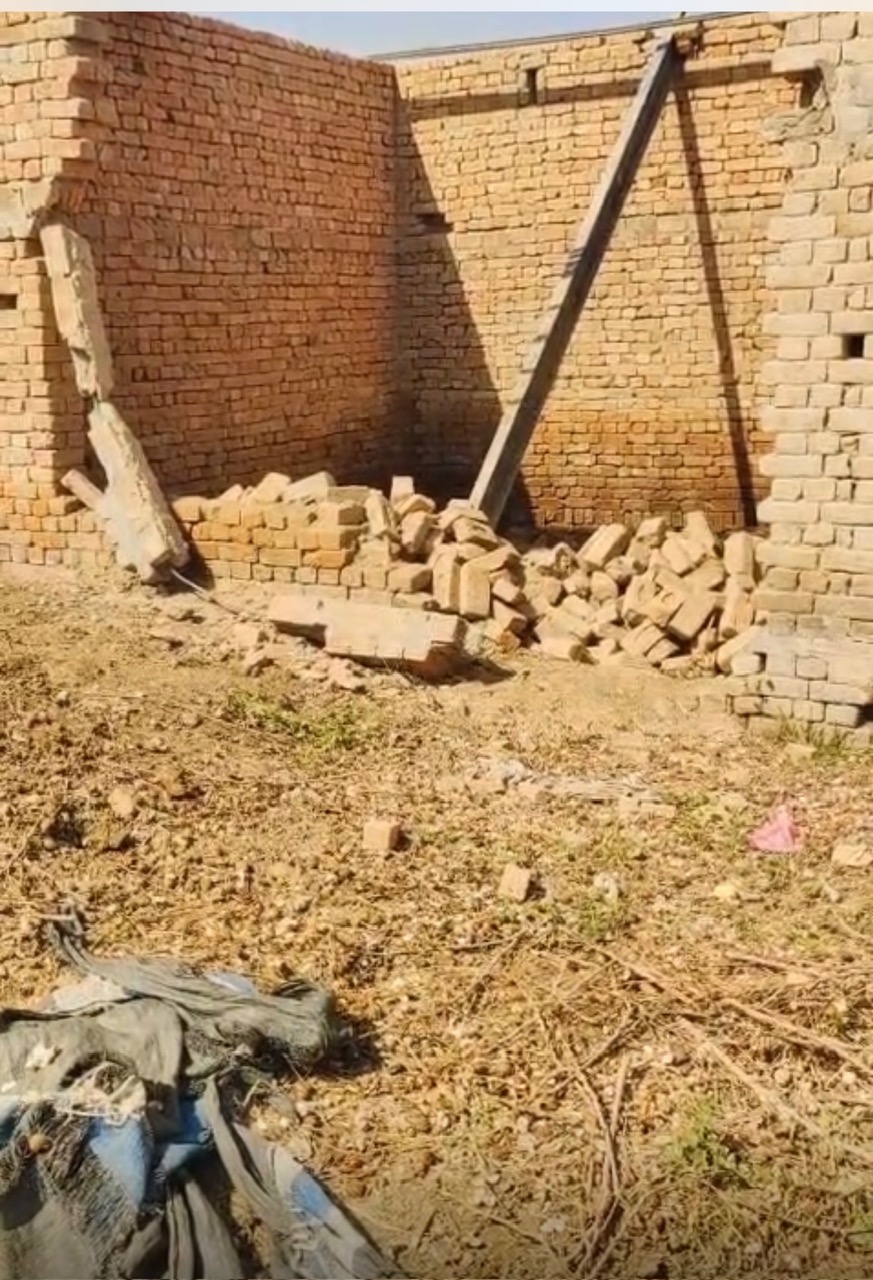
Climate change has become a major factor in Pakistan and led to a regular increase in flood risk. Rising global temperatures have intensified monsoon rainfall and accelerated the melting of glaciers in the northern regions of the country. These changes result in larger volumes of water flowing into rivers and floodplains, overwhelming existing infrastructure and increasing the likelihood of severe flooding.
Extreme weather events, including heavy rainfall and floods, are becoming more frequent and intense in South Asia, making vulnerable communities in Pakistan increasingly susceptible to future disasters. In September 2025, Pakistan saw devastating floods that led to hundreds of deaths and more than four million people displaced. Numerous provinces were affected, and after nearly a year the region is still recovering.
Dr. Muhammad Alam Khan, a family physician for Punjab Province’s Lahore Headquarter Hospital, is a close friend of Muslim Americans for Compassion MAC and an active participant in the region’s flood recovery efforts. Dr Khan has collaborated with MAC on multiple service initiatives to support underprivileged in his area.
As the floodwaters were still rising, Dr. Khan and his family members used personal boats to rescue nearby residents in trouble. “We rescued many people and shifted them to safe places. My family was very helpful,” he said. Thousands of homes were damaged or destroyed, and millions of acres of agricultural land was rendered unusable.
As the area began its recovery, Dr. Khan looked for ways he could make a difference. “I approached my friends in the United States, like Dr. Muhammad Babar and Dr. Waqar Saleem. I asked them for help in the rehabilitation, because there was a very short time for relief activities to be put in place,” he said.
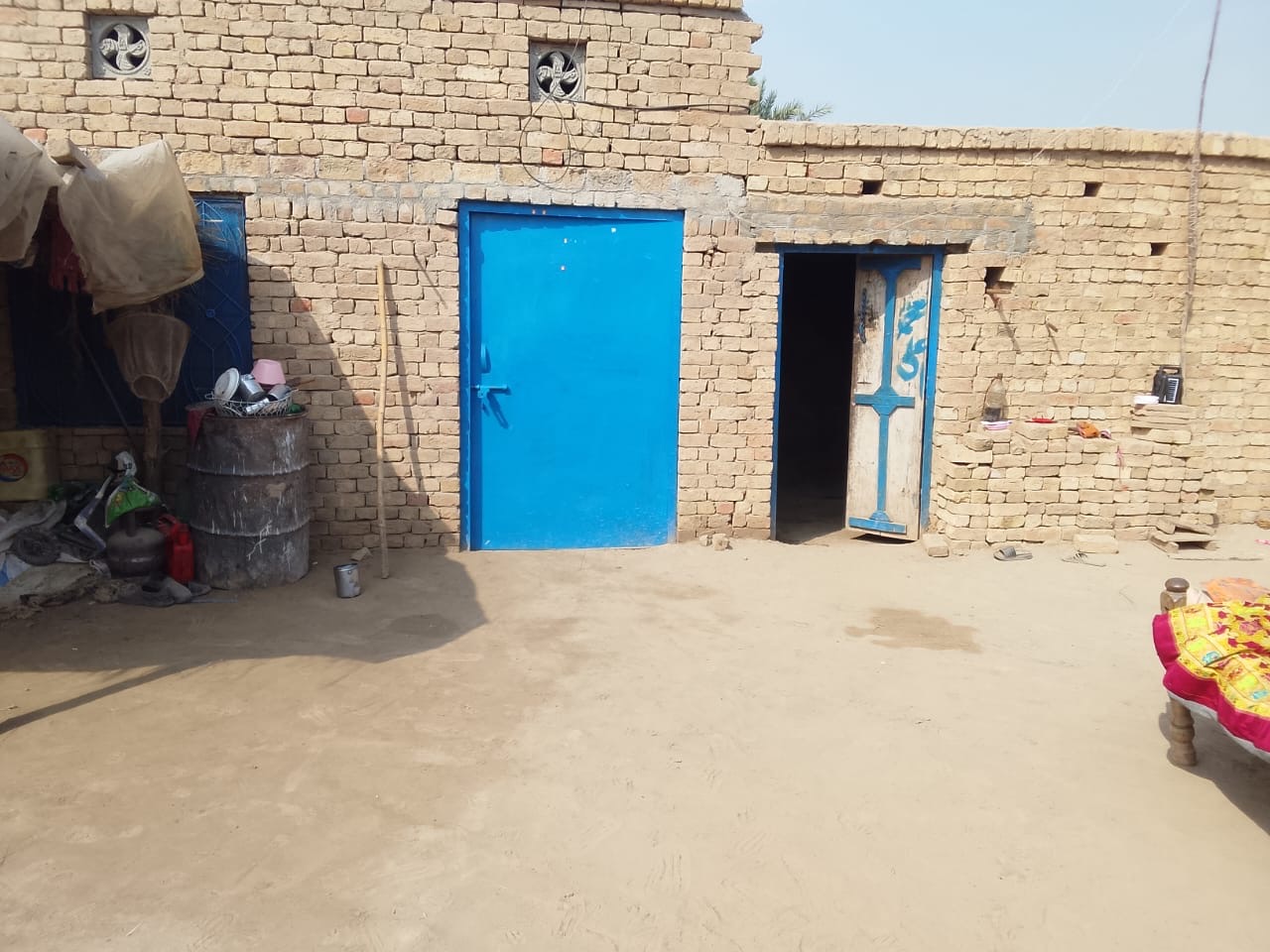
The population of the Punjab province needed assistance in many ways including financial aid, housing, and food. Dr. Khan connected many people in need and, with MAC’s assistance, funded the building of 19 homes in just three months to support those who had lost their living spaces in flood waters.
“The people we helped are very happy and thankful,” said Dr. Khan. “I know many people who still don’t have homes. They’re living in temporary tents. I want to help them, but I don’t have the resources, the need is still great.”
Long-term solutions for these environmental changes require significant investment in resilient infrastructure, improved flood forecasting and early warning systems, stronger building standards, and comprehensive watershed management. Expanding reforestation, protecting wetlands, improving drainage networks, and promoting sustainable land-use planning can significantly reduce flood risks. By combining immediate humanitarian assistance with environmental stewardship and climate adaptation measures can protect vulnerable populations from future flooding events.